Frequently Asked Questions About Brick Waste Skip Bins
What size skip is best for bricks?
2m³ or 4m³ skip bins are recommended for brick waste because bricks are extremely heavy. A smaller bin helps you stay within the weight limit and avoid excess charges. Overloading larger bins with bricks can lead to rejected pickups or unsafe transport conditions.
Can I mix bricks and soil in the same skip?
No, bricks and soil cannot be mixed in a clean fill brick bin. Soil changes the waste classification and contaminates the load, which results in higher processing costs. If your job includes soil, you must order a mixed heavy waste bin to stay compliant.
What is clean fill in a brick skip bin?
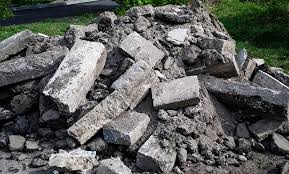
Clean fill refers to dry, uncontaminated materials like bricks, concrete pieces, tiles, and stones. It must not include soil, timber, plastic, or any general waste. Only clean fill loads qualify for lower processing fees and may be eligible for recycling into road base material.
What happens if I overfill a skip bin?
If you overfill your skip bin beyond the rim or weight limit, it may not be collected for safety and legal reasons. You could also face excess weight charges. Always load bricks evenly and stay within the fill line to avoid additional costs or delays.
Can I put broken bricks and concrete together?
Yes, you can combine broken bricks and dry concrete rubble in the same skip bin as long as they are clean and not mixed with soil or other waste. These materials fall under clean hardfill and are accepted together in brick waste skip bins.
Do I need a permit to place the skip bin on the road?
In many cases, yes. If the skip bin will be placed on a public road, nature strip, or council-owned land, you may need a council permit. Permit requirements vary by suburb. Our team can help you check and arrange permits if needed.